Categories
Reptile Basic Care Guides

Australian Blue Tongue Skink

Species: Eastern and Northern (Tiliqua scincoides scincoides and T. s. intermedia)

Care level: Intermediate

Temperament: Depends on species; usually fairly docile and handleable

Behavior: diurnal, terrestrial, solitary

Minimum enclosure size:  6×3×3’ (2×1×1m)

Basking spot temp (surface): 105-115°F (40-46°C)

Cold side temp: 70-80°F (21-27°C)

UVB: UVI 2-3/Ferguson zone 3 (e.g. Arcadia 12% at 12-18” (30-45cm) away with no mesh or 7-11” (18-28cm) away with typical mesh) 

Humidity: 40-60%

Diet: Omnivorous; meat, insects, and plant matter

Adult size: Up to 24” (60cm)

Wild Distribution: semi-desert, scrubland and mixed woodland areas of Northern and Eastern Australia and New Guinea

(care guide written with contributions by mandi#6740)


Other Resources:

Reptifiles Guide – Blue Tongue Skink (general all species)

Reptifiles Guide – Eastern Blue Tongue Skink

Reptifiles Guide – Northern Blue Tongue Skink

Happy Dragons Guide – Blue Tongue Skink (all species)

Dubia.com Guide – Blue Tongue Skink (all species)

Categories
Reptile Basic Care Guides

Indonesian Blue Tongue Skink

Species: Indonesian, Halmehara, Tamimbar, Irian Jaya, Kei Island and Merauke (Tiliqua gigas ssp. including Tiliqua gigas gigas, T. g. keyensis, T. g. evanescens, and Tiliqua scincoides chimaera)

Care level: Intermediate

Temperament: Depends on species; usually fairly docile and handleable

Behavior: diurnal, terrestrial, solitary

Minimum enclosure size: 6×3×3’ (2×1×1m) for most subspecies; 5x3x3’ (1.2×0.6×0.6m) for species under 24” (30cm) such as T. scincoides chimaera; 7x4x3 (2.1×1.2x1m) for T. gigas evanescens

Basking spot temp (surface): 100-110°F (37-43°C)

Cold side temp: 70-80°F (21-27°C)

Nighttime/minimum temp: 65°F (18°C)

UVB: UVI 2-3/Ferguson zone 2-3 (e.g. Arcadia T5HO 6% at 12-15”(30-40cm) away with no mesh or 12% at 9-14”(23-26cm) with typical mesh)

Humidity: 60-80%, 80-100% for Halmehara T. gigas gigas

Diet: Omnivorous; meat, insects, and plant matter

Adult size: Varies by species; around 18-30” (45-75cm)

Wil Distribution: rainforests and other tropical areas throughout various islands in southeast Asia

(care guide written with contributions by mandi #6740)


Other Resources:

Reptifiles Guide – Blue Tongue Skink (general all species)

Reptifiles Guide – Indonesian Blue Tongue Skink

Reptifiles Guide – Irian Jaya Blue Tongue Skink

Reptifiles Guide – Tamimbar Blue Tongue Skink

Happy Dragons Guide – Blue Tongue Skink (all species)

Dubia.com Guide – Blue Tongue Skink (all species)

Categories
Reptile Basic Care Guides

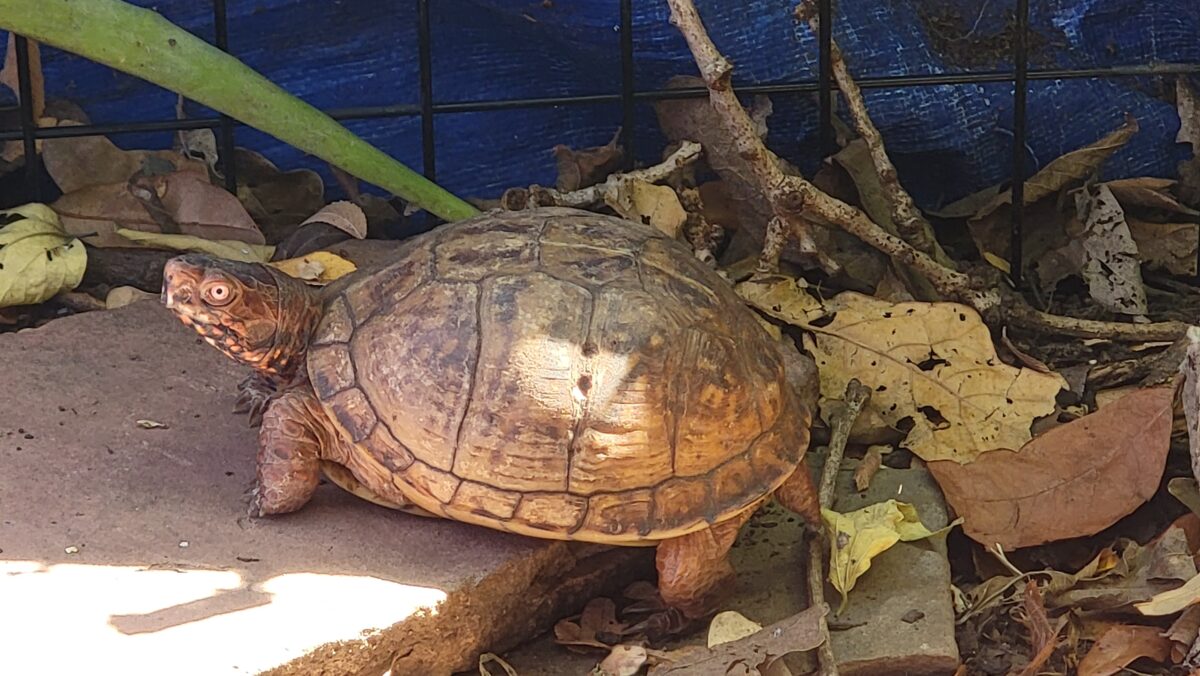
Eastern Box Turtle (Terrapene carolina carolina)

Care level: Intermediate

Temperament: Docile, although handling should be kept to a minimum

Behavior: diurnal, terrestrial, solitary

Minimum enclosure size: 6.5×3.5’ (2×1m) with sides at least 18” (45cm)

Basking spot temp (surface): 85-90°F (30-32°C)

Cold side temp: 70-75°F (21-24°C)

Nighttime/minimum temp: 60°F (15.5°C)

UVB: UVI 2.9-7.4/Ferguson zone 3 (e.g. Arcadia T5HO 6% at 8-13”(20-33cm) away with no mesh or 6-10”(15-25cm) away with typical mesh)

Humidity: 60-80%, never below 50%

Diet: Plant matter and animal/insect protein

Brumation: in the wild, will brumate underground from October/November to April (shorter in the southern regions of their range)

Adult size: 5-7” (13-20cm)

Wild Distribution: open woodlands, pastures and meadows throughout the eastern United States

(care guide written with contributions by mandi#6740)


Other Resources:

Reptifiles Guide – Eastern Box Turtle

Dubia.com Guide – Eastern Box Turtle

ADW – Terrapene carolina

Categories
Reptile Basic Care Guides

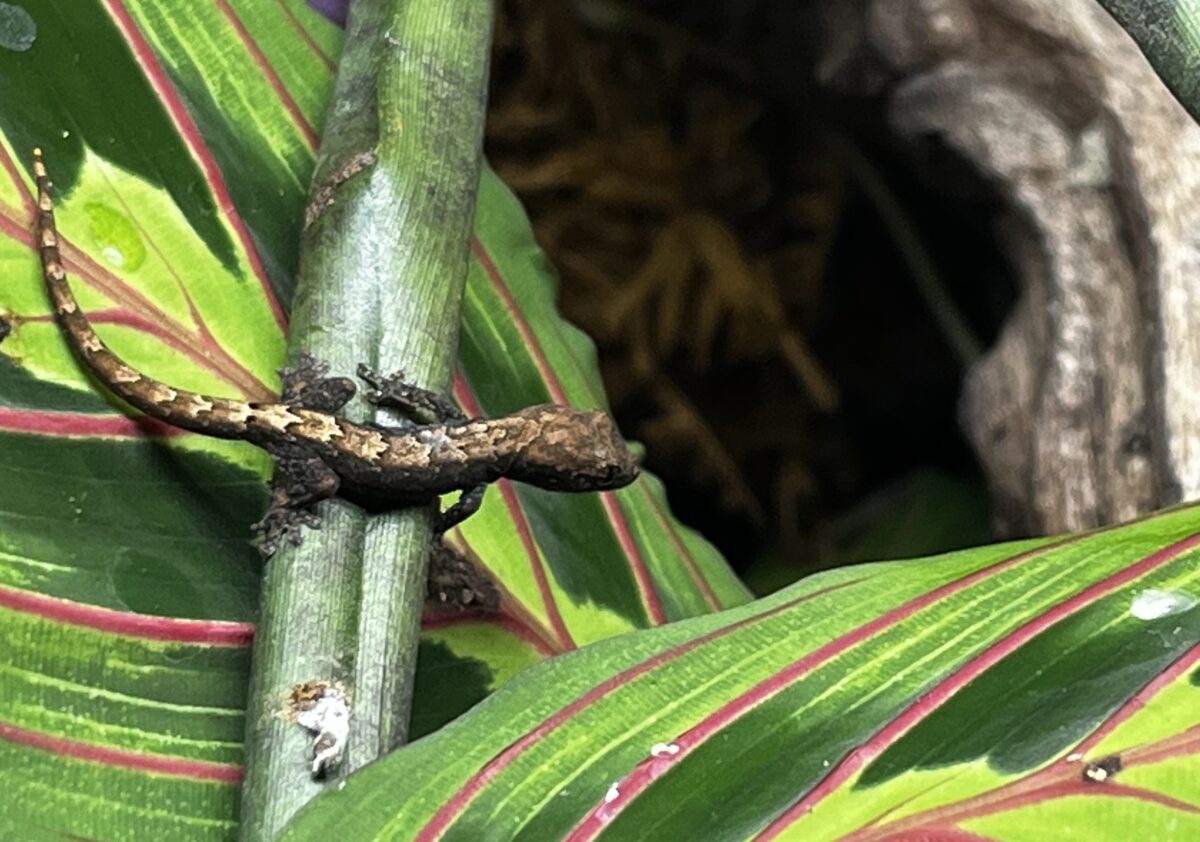
Mourning Gecko (Lepidodactylus lugubris)

Care level: Beginner

Temperament: Very fast and jumpy; handling isn’t recommended due to size

Behavior: crepuscular, arboreal, social

Minimum enclosure size: 2-3 geckos in 12×12×18” (30×30×45cm); some form of population control will be needed or upgrades as population grows

Basking spot temp (surface): 80-85°F (26-29°C)

Cold side temp: 70-75°F (21-24°C)

Nighttime/minimum temp: 65-72°F (18-22°C)

UVB: UVI zone 0.5-1/Ferguson zone 1 (e.g. Arcadia Shadedweller Arboreal 2.5% at 2-4″ (5-10cm) with no mesh or Arcadia Shadedweller 7% at 12+” (30+cm) with typical mesh)

Humidity: 60-70% average with spikes up to 80-90% and dips to 50-60% before misting

Diet: Powdered crested gecko diet and live insects (fruit flies, small crickets, small roaches, etc.)

Adult size: Up to 4” (10cm)

Wild Distribution: various tropical habitats and urban areas throughout multiple islands in the Asian/Oceania regions with invasive populations in other areas such as Hawaii and Central America

(care guide written with contributions by mandi#6740)


Other Resources:

Reptifiles Guide – Mourning Gecko

Dubia.com Guide – Mourning Gecko

NEHERP Guide – Mourning Gecko (good hatchling care info)

ADW – Lepidodactylus

Categories
Reptile Basic Care Guides

Argentine Tegu (Salvator merianae & S. rufescens)

Care level: Advanced

Temperament: can be friendly and very personable if socialized from a young age

Behavior: diurnal, terrestrial, solitary

Minimum enclosure size: 8×4×4’ (2.5×1.2×1.2m)

Basking spot temp (surface): 125-135°F (52-57°C)

Cold side temp: 75-85°F (24-29°C)

Nighttime/minimum temp: 70°F (21°C)

UVB: UVI 2.9-7.4/Ferguson zone 3 (e.g. Arcadia T5HO 6% at 12-15”(30-40cm) away with no mesh or Arcadia T5HO 12% at 15-24” (40-60cm) away with typical mesh)

Humidity: 70-80%

Diet: Omnivorous; eats a wide range of plant and animal matter 

Adult size: 3-5’ (1-1.5m)

Wild Distribution: tropical rainforests, savannas, and semi-deserts of eastern/central South America

(written with contributions by mandi#6740)


Other Resources:

Reptifiles Guide – Argentine Tegu

Dubia.com Guide – Argentine Tegu

Categories
Reptile Basic Care Guides

Colombian Tegu (Tupinambis teguixin and other Tupinambis spp.)

Care level: Advanced

Temperament: tend to be more defensive than Argentine tegus, but can become tame with socialization

Behavior: diurnal, terrestrial, solitary

Minimum enclosure size: 6×3×3’ (2×1×1m)

Basking spot temp (surface): 125-135°F (52-57°C)

Cold side temp: 75-85°F (24-29°C)

Nighttime/minimum temp: 70°F (21°C)

UVB: UVI 2.9-7.4/Ferguson zone 3 (e.g. Arcadia T5HO 6% at 12-15”(30-40cm) away with no mesh or Arcadia T5HO 12% at 15-24” (40-60cm) away with typical mesh)

Humidity: 70-80%

Diet: Carnivorous (90% protein, 10% vegetables)

Adult size: 2-5’ (0.6-1.5m)

Wild Distribution: tropical forests of northern and central South America

(written with contributions by mandi#6740)


Other Resources:

Reptifiles Guide – Colombian Tegu

Dubia.com Guide – Colombian Tegu

Categories
Reptile Basic Care Guides

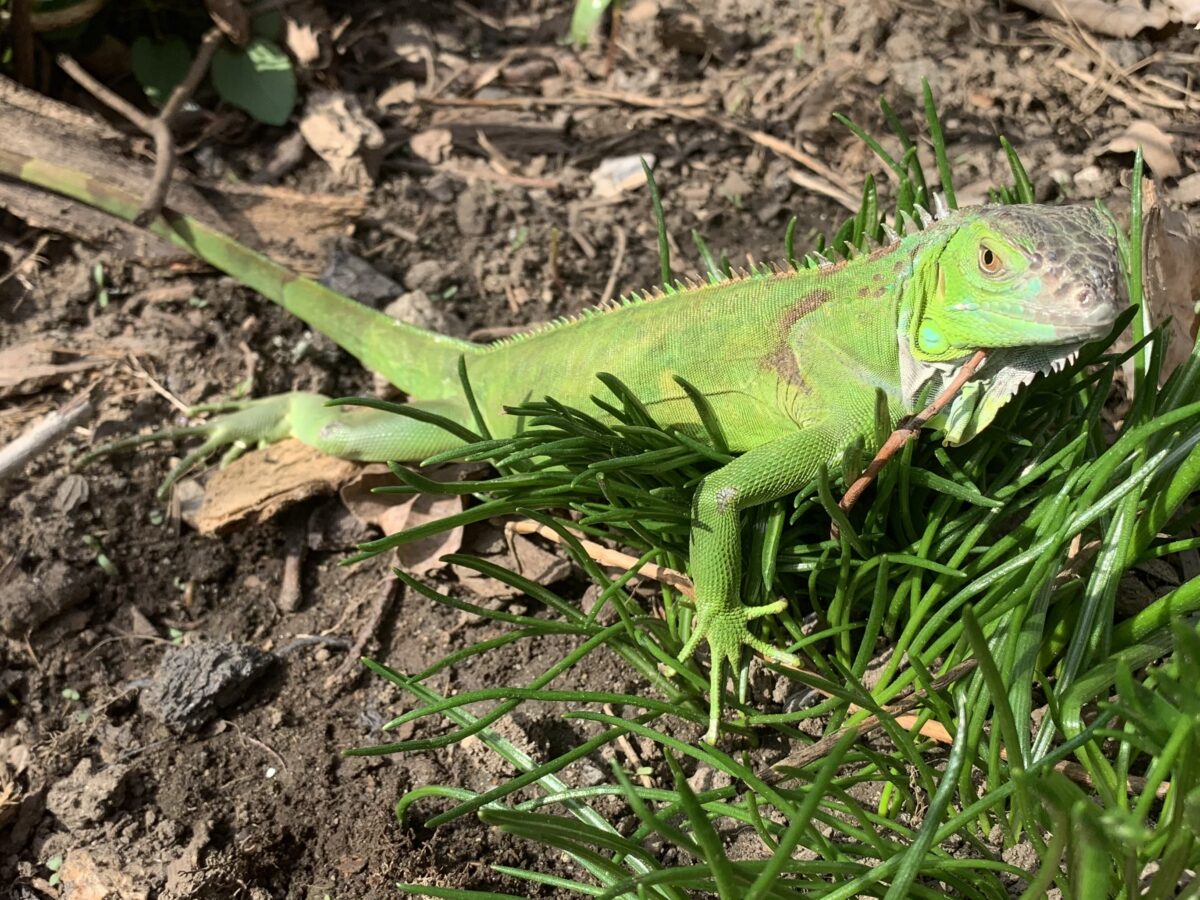
Green Iguana (Iguana iguana)

Care level: Advanced

Temperament: Defensive, can be more handleable with work but will often be territorial

Behavior: diurnal, arboreal, solitary

Minimum enclosure size: 12×6×6′ (3.5×2×2m); this will vary based on sex, adult size, etc.

Basking spot temp (surface): ~120°F (~50°C)

Cold side temp: 75-85°F (24-29.5°C)

Minimum/nighttime temp: 73-84°F (23-28°C)

UVB: UVI 2.9-7.4/Ferguson zone 3-4 (e.g. Arcadia T5HO 12% at 17-18″ (43-45cm) away with no mesh or 12-15″ (30-31cm) away with typical mesh)

Humidity: 65-80%, nighttime spikes up to 100%

Diet: Herbivore (plant matter only)

Adult size: Up to 7′ (2.2m), males larger than females

Wild Distribution: forests and other habitats through south and central America, as well as islands throughout the Caribbean

(written with contributions by mandi#6740)


Other Resources:

Guide by Mandi – Green Iguana

Reptifiles Guide – Green Iguana

Dubia.com Guide – Green Iguana

ADW – Iguana iguana

Categories
Reptile Basic Care Guides

Red-Eared Slider (Trachemys scripta elegans [also applies to other Trachemys spp.])

Care level: Intermediate-Advanced

Temperament: Usually fairly personable and friendly although it’s best to handle them as little as possible

Behavior: diurnal, semi-aquatic, semi-social (can live together and often will live in large groups in the wild, but do fine housed alone)

Minimum enclosure size: 10 gallons of water per inch(40L per 2.5cm) of shell length, recommended at least 100 gallons (400L) for adults regardless of size

Basking air temp: 85-90°F (30-32°C)

Basking surface temp: 104°F (40°C)

Nighttime/minimum temp (air): 65-75°F (18-24°C)

Water temp: Hatchlings – 78-82°F (24-29°C); juveniles – 74-76°F (23-24°C); adults – 70-88°F (21-31°C)

UVB: UVI 2.9-7.4/Ferguson zone 3 (Arcadia T5HO 6% at 8-13″ (20-33cm) away with no mesh or 6-10″ (15-25cm) away with typical mesh)

Diet: vegetables, proteins (turtle pellets, insects, safe fish, crustaceans, snails, etc); protein more frequently for babies/juveniles

Adult size: up to 12″ (30cm)

Wild Distribution: various permanent bodies of freshwater throughout large range of southeastern/central United States

(written with contributions by mandi#6740)


Other Resources:

Reptifiles Guide – Red-Eared Slider

Dubia.com Guide – Red-Eared Slider

ADW – Trachemys scripta

Safe Feeder Fish

Categories
Reptile Resources

Safe Feeder Fish

Safe fish for fish eating herps 

Thiaminase free, low mercury

Amberjack, Greater (Seriola dumerilii)

Ayu Sweetfish (Plecoglossus altivelis)

Barracuda, Great (Sphyraena barracuda)

Bass, Largemouth/Freshwater (Micropterus salmoides)

Bass, Rock (Ambloplites rupestris)

Bass, Smallmouth (Micropterus dolomieu)

Bluegill (Lepomis macrochirus)

Chub, Bloater (Coregonus hoyi)

Cisco / Lake Herring (Coregonus artedi)

Cod (Gadus spp.)

Crappie (Pomoxis annularis/nigromaculatus)

Croaker, Atlantic (Micropogonias undulatus)

Cunner (Tautogolabrus adspersus)

Cusk (Brosme brosme)

Cutlassfish / Largehead Hairtail (Trichiurus lepturus)

Dogfish, Spiny (Squalus acanthias)

Eel, American (Anguilla rostrata)

Eel, Common (Anguilla anguilla)

Endler (Poecilia wingei)

Flounder, Blackback / Winter (Pseudopleuronectes americanus)

Flounder, Yellowtail (Limanda ferruginea)

Gar, Longnose (Lepisosteus osseus)

Glasseye (Heteropriacanthus spp,)

Guppy (Poecilia reticulata)

Haddock (Melanogrammus aeglefinus)

Hairtail, Largehead (Trichiurus lepturus)

Halibut, Atlantic (Hippoglossus hippoglossus)

Halibut, Pacific (Hippoglossus stenolepis)

Halibut, Greenland (Reinhardtius hippoglossoides)

Hake (Urophycis spp.)

Herring, Atlantic (Clupea harengus)

Herring, Pacific (Clupea pallasii)

Kawakawa / Mackerel Tuna (Euthynnus affinis)

Kingfish, Butterfly (Gasterochisma melampus)

King Whiting / Southern Kingfish (Menticirrhus americanus)

Lizardfish, Inshore (Synodus foetens)

Mackerel, Atlantic (Scomber scombrus)

Mackerel, Atlantic Chub (Scomber colias)

Mackerel, Pacific Chub (Scomber japonicus)

Mackerel, Short (Rastrelliger brachysoma)

Mackerel, Indian (Rastrelliger kanagurta)

Mackerel, Blue (Scomber australasicus)

Mackerel, King (Scomberomorus cavalla)

Mackerel, Atlantic Horse (Trachurus trachurus)

Mackerel, Chilean Jack (Trachurus murphyi)

Mackerel, Mediterranean Horse (Trachurus mediterraneus)

Mackerel, Pacific Jack (Trachurus symmetricus)

Mackerel, Yellowtail Horse (Trachurus novaezelandiae)

Mackerel, Blacksail Snake (Thyrsitoides marleyi)

Mackerel, Snake (Gempylus serpens)

Mackerel, Okhotsk Atka (Pleurogrammus azonus)

Mackerel, Japanese Jack (Trachurus japonicus)

Marlin, Atlantic Blue (Makaira nigricans)

Molly, Common/Short-finned (Poecilia sphenops)

Molly, Sailfin (Poecilia latipinna)

Molly, Yucatan (Poecilia velifera)

Mosquitofish (Gambusia affinis)

Mullet (Mugil spp.)

Perch, European (Perca fluviatilis)

Perch, Ocean / Redfish (Sebastes marinus)

Perch, Yellow (Perca flavescens)

Pike, Northern (Esox lucius)

Pike, Wall-Eyed (Stizostedion vitreum)

Plaice, American/Canadian (Hippoglossoides platessoides)

Plaice, European (Pleuronectes platessa)

Platy / Swordtail (Xiphophorus spp.)

Pollock / Saithe (Pollachius spp.)

Porgy / Scup (Stenotomus chrysops)

Pumpkinseed (Lepomis gibbosus)

Redfish (Sebastes marinus)

Salmon, Atlantic (Salmo salar)

Salmon, Coho (Oncorhynchus kisutch)

Scad, Mackerel (Decapterus pinnulatus)

Scad, Yellowtail (Atule mate)

Sea Bass, Black (Centropristis striata)

Sea Catfish, Hardhead (Ariopsis felis)

Sea Robin (Prionotus spp.)

Seatrout, Sand (Cynoscion arenarius)

Seatrout, Silver (Cynoscion nothus)

Skate (Raja spp.)

Smelt, Pond (Hypomesus olidus)

Soldierfish, Blotcheye (Myripristis berndti)

Sole, Common/Black (Solea solea)

Sprat, European (Sprattus sprattus)

Spot (Leiostomus xanthurus)

Squid (Loligo brevis)

Surgeonfish, Eyestripe (Acanthurus dussumieri)

Tautog / Blackfish (Tautoga onitis)

Tilapia (various species)

Trout, Brown (Salmo trutta)

Trout, Lake (Salvelinus namaycush)

Trout, Rainbow (Oncorhynchus mykiss)

Trout, Sea (Salmo trutta)

Trout, White (Cynoscion nothus/avenarius)

Tusk (Brosme brosme)

Wahoo (Acanthocybium solandri)

Walleye (Sander vitreus)

Weakfish, Sand (Cynoscion arenarius)

Whiting (Merluccius bilinearis)
Categories
Reptile Basic Care Guides

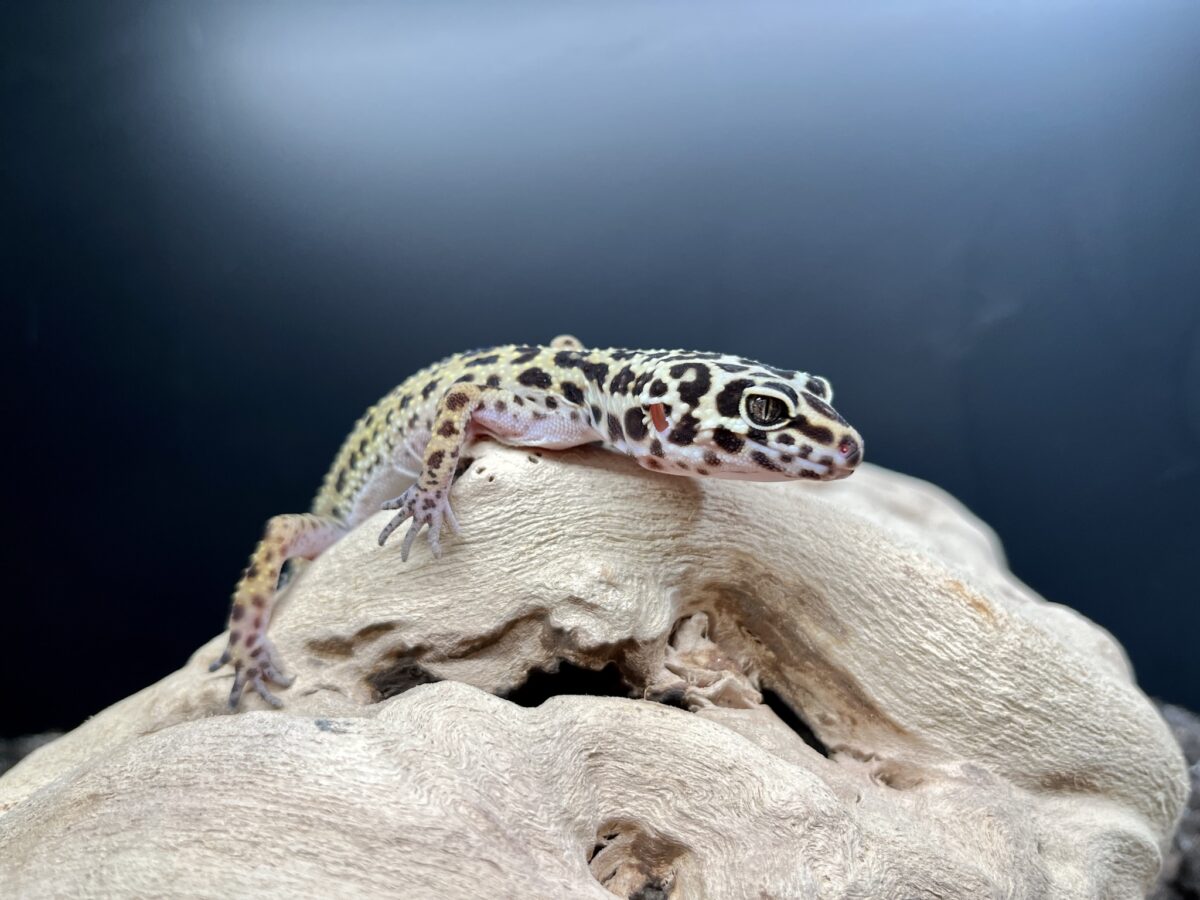
Leopard Gecko (Eublepharis macularius)

Care level: Beginner 

Temperament: Docile; sensitive to handling due to small size 

Behavior: crepuscular, terrestrial (will use climbing opportunities), solitary

Minimum enclosure size: 40B (36×18×18″ (90×45×45cm)) 

Basking spot temp (surface): 91-100°F (33-38°C)

Cold side temp (air): 70-80°F (21-27°C)

Minimum/Nighttime temp: 60°F (15.5°C)

UVB: UVI zone 0.5-1/Ferguson zone 1 (e.g. Arcadia Shadedweller 7% at 18+” (46+cm) with no mesh or at 12+” (30+cm) over typical mesh)

Humidity: 35-65%

Diet: Insects 

Adult size: 6-9″ (15-23cm)

Wild Distribution: semi-arid deserts throughout Afghanistan, Iraq, Iran, Northwest India, and Pakistan

(written with contributions by mandi#6740 and Offline#8045)


Other Resources:

Reptifiles Guide – Leopard Geckos

HappyDragons Guide – Leopard Geckos

Leopard Gecko Server Guide

Facebook Group: Leopard Geckos – Advancing Husbandry

ADW – Eublepharis macularius